When we think about board games, the first thing that comes to mind is usually a big game board with pieces and dice. But let’s break down what really makes a game a board game. It’s not just about having a physical board; it’s about the experience it creates!
At its core, a board game typically includes a structured gameplay with set rules. This gives players a clear understanding of how to win and what actions they can take. It usually involves strategy, which means you need to think a bit ahead and plan your moves carefully. Games like Monopoly and Settlers of Catan are classic examples where you can’t just rely on luck; your decisions matter!
Another key element is player interaction. Board games often bring people together, whether it's friends, family, or even strangers. You get to watch your opponent's reactions and maybe even outsmart them. That social aspect is what makes board games stand out. It’s not just about the game itself; it’s about the laughter, the competition, and the stories that unfold around the table.
Now, card games sometimes blur that line. They can have boards, or they might just use cards for gameplay. Think about games like Monopoly Deal, which uses cards but still leans into that board game feel with set rules and player interaction. So, while card games may not fit the traditional mold, they often share enough qualities to hang out in the same family as board games.
The Fun of Card Games Explained
Card games are a blast, and they bring people together in a fun way. Whether you're huddled around a table at a family gathering or sitting on the couch with friends, there's something special about dealing cards and sharing laughs. You can play anything from classic games like Poker and Rummy to newer hits like Cards Against Humanity. The variety keeps things fresh and exciting!
What makes card games so enjoyable is their versatility. You can find games that require deep strategy, quick thinking, or just pure luck. Some games can last for hours, while others are quick to play and great for filling a little downtime. Plus, many card games are easy to learn, so you can jump right in without feeling overwhelmed.
Social interaction is a huge part of the fun. Card games create an environment where everyone can engage and enjoy each other’s company. You bond over shared victories and funny mistakes, and they often lead to hilarious conversations and memories that you'll look back on fondly. You might even discover some hidden talents, like a knack for bluffing or strategic thinking!
Don't forget about the thrill of competition! Even if you’re playing for fun, the friendly rivalry can make things even more exciting. Plus, card games are usually pretty affordable, so you can easily build a collection without breaking the bank. Grab a few decks, and you’ll have everything you need for endless entertaining nights!
How They Can Overlap Together
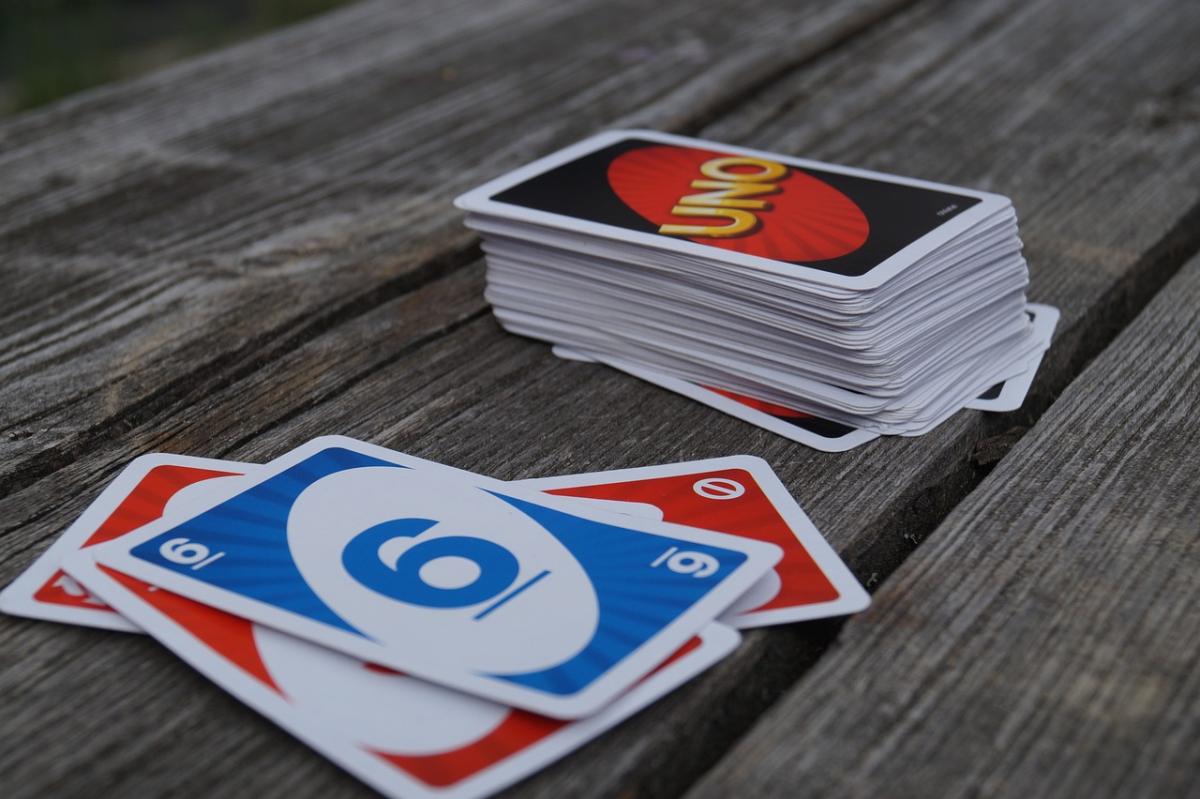
When you think about board games, the first image that might pop up is a classic game like Monopoly or Settlers of Catan. But card games often sneak their way into that category too! Games like Uno or poker have physical boards and play areas where everyone gathers around to enjoy the game. This shared social space is what links them together.
Many games blend cards and boards in really cool ways. Take Gloomhaven, for example. You’re using cards to dictate your actions but also moving pieces on a board. It creates a thrilling mix of strategy and chance. Players have to think about their cards, their position on the board, and how both elements affect their gameplay.
Even more traditional board games often include cards as a key part of the action. In games like Ticket to Ride, the cards are crucial for planning your routes. It shows how flexible the definition can be—cards and boards can work hand-in-hand to create fun and interactive experiences.
So, when you’re trying to decide if a game fits into the category of board games, think about how they engage players through both cards and boards. It’s all about the fun, the strategy, and the friendships that form around the table, whether you’re rolling dice or drawing cards!
Choosing the Right Game for You
There are so many great games out there, but picking the right one can feel like a maze. With card games blending into board games, it's important to know what fits your vibe. Think about who you’re playing with. Are they seasoned gamers, or are they just looking to have fun?
Next, consider the game length. Some folks love a quick game they can finish in a half-hour, while others might want to dive into something that takes a few hours. If you’re short on time, grab a card game that’s easy to set up. Looking for something immersive? A heavier board game might do the trick.
Check out the player count too. Are you playing solo, with just a couple of friends, or a big group? Some games shine with smaller teams, while others are all about that group dynamic. You want a game that brings everyone together and gets the laughs rolling.
Lastly, think about the theme and mechanics. Do you want a light-hearted game that’s silly and fun or something strategic that makes you think? Find a game that excites you and fits the mood of the gathering. Go for options that you can see getting lots of playtime—you’ll be glad you did!